
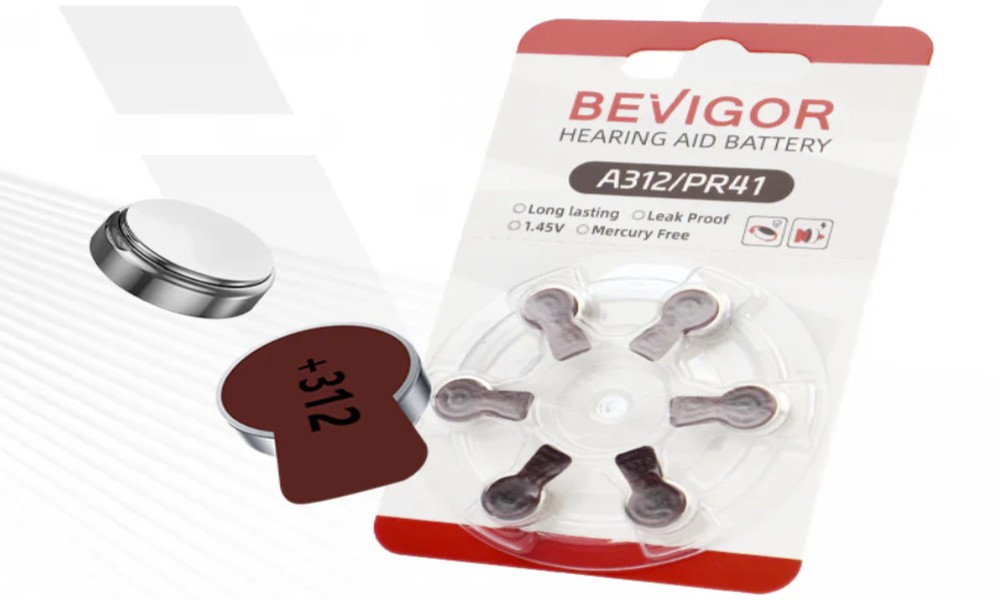
Finding reliable PR41 hearing aid batteries is crucial for anyone exploring the globe. As one seasoned explorer noted, “I personally cannot go without batteries”. These small power sources ensure you never miss the sounds of a new city or the warnings of nature while trekking through remote landscapes.
Managing PR41 hearing aid batteries on Long Trips
A successful five-month journey requires careful planning for your hearing device needs. Most zinc air cells last between one and six days, depending on your level of usage. It is wise to carry twice as many spares as you think you will need for your adventure.
Sound Awareness with PR41 hearing aid batteries
High-quality cells provide the stable voltage necessary for clear and long-lasting sound. Being able to hear your surroundings is not just about enjoyment; it is a vital safety measure when hiking in groups. You must be able to hear vehicles, fellow hikers, and local wildlife to stay safe.
Packing Light with PR41 hearing aid batteries
Modern travelers often embrace the “one bag” philosophy to increase their physical mobility. This approach reduces your dependency on heavy luggage and makes transport via two-wheelers much easier. Minimalism allows you to focus on the experience rather than the logistics of your gear.
Minimalism for PR41 hearing aid batteries
Each small battery weighs very little, with most hearing aid cells coming in at approximately one gram. You can pack a month’s supply of spares without adding more than two ounces to your bag. This makes it easy to prioritize power without sacrificing your lightweight travel goals.
Preparation is the key to safety.
Flying Safely with PR41 hearing aid batteries
It is important to understand aviation rules before you head to the airport for an international flight. Lithium and button cell regulations are designed to prevent heat buildup and potential fires in the cargo hold. Always keep your batteries protected from accidental short circuits by using their original packaging.
Airline Regulations for PR41 hearing aid batteries
According to FAA guidelines, dry button cell batteries are permitted in both carry-on and checked baggage. While they are safe to transport, you must ensure they are protected from damage during transit. If you carry them in your hand luggage, the flight crew is better equipped to handle any rare overheating incidents.
Thinking About the Environment
As you travel, consider the impact your electronic waste has on the local ecosystems you visit. Manufacturing single-use power sources involves extracting finite resources like zinc, manganese, and lithium. This process can contribute to large-scale environmental degradation and habitat destruction.
Recycling and PR41 hearing aid batteries
In the United States alone, roughly five billion batteries are sold every year, but less than ten percent are recycled. When these items end up in landfills, toxic components can leach into the soil and contaminate groundwater. Look for local recycling drop-off points in major cities to dispose of your used cells responsibly.
Travelers must think about the planet.
Handling Harsh Weather
Environmental factors like high altitude and extreme cold can significantly impact battery performance. Cold weather increases internal resistance, which often leads to sudden voltage drops in your devices. These conditions can also cause physical changes like the expansion or cracking of battery enclosures.
Cold Weather and PR41 hearing aid batteries
To maintain performance in freezing climates, keep your spare batteries in a warm place like an internal jacket pocket. Your body heat will help the chemistry function more effectively during winter treks. Always test your equipment in controlled conditions before heading into the wilderness.
When you prepare for your next world tour, remember to pack Bevigor PR41 hearing aid batteries. These high-performance cells will help you hear every moment of your journey.