
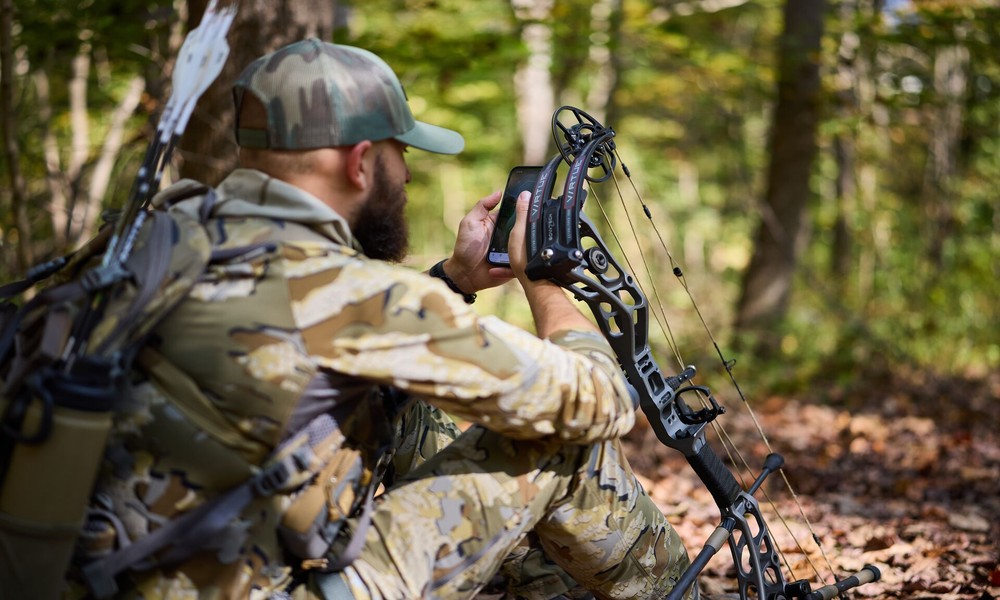
Start With Understanding the Environment
Preparation begins long before stepping into the field. Every region has its own terrain, climate, and wildlife patterns, and understanding these elements is essential. From open grasslands to dense bush areas, each environment requires a different approach.
Those exploring Hunting in Australia quickly realise that conditions can vary significantly depending on location. Researching the area helps in identifying animal movement, suitable timing, and the type of preparation required.
Learn the Legal and Ethical Framework
Hunting is not just about skill;it also involves responsibility. Each region has specific regulations regarding permits, seasons, and species. Following these rules ensures that hunting remains sustainable and respectful to the ecosystem.
Equally important is ethical practice. This includes making careful decisions, respecting wildlife, and ensuring that actions align with conservation principles.
Choose Equipment That Matches the Purpose
Selecting the right equipment is not about having more gear-it’s about having the right gear. The choice depends on the type of terrain, target species, and personal experience level.
Key considerations include:
- Reliable and appropriate tools for the environment
- Comfortable clothing suited to weather conditions
- Essential safety equipment
- Lightweight gear for ease of movement
Carrying only what is necessary helps maintain focus and mobility.
Understand Animal Behaviour Before Taking Action
One of the most overlooked aspects of hunting is behavioural awareness. Animals respond to sound, movement, and scent, often faster than expected. Observing patterns such as feeding times, resting areas, and movement routes can make a significant difference.
Instead of relying on chance, successful hunters use knowledge of behaviour to guide their decisions and positioning.
Develop Patience as a Core Skill
Hunting often involves long periods of waiting and observation. It is not always an action-driven activity. Patience allows hunters to remain focused and avoid unnecessary movement that could alert animals.
Learning to stay still, remain quiet, and observe surroundings carefully often leads to better opportunities than constant movement.
Focus on Safety at Every Step
Safety is a critical part of the process, both for the individual and others in the area. Being aware of surroundings, handling equipment responsibly, and maintaining clear communication are essential practices.
Simple precautions, such as planning routes and informing others of your location, can prevent avoidable risks.
Adapt to Changing Conditions
No environment remains constant. Weather, animal behaviour, and terrain conditions can shift quickly. Being able to adjust plans and remain flexible is a valuable skill.
Those engaged in Hunting in Australia often encounter unpredictable elements, making adaptability an important part of the experience.
Reflect and Improve After Each Experience
Every outing provides an opportunity to learn. Reflecting on what worked and what didn’t helps refine techniques and improve future outcomes.
Over time, this continuous learning process builds confidence and creates a more structured approach to hunting.
Building a Thoughtful Approach
A well-prepared hunting experience is not defined by speed or outcome, but by awareness, planning, and respect for the environment. By focusing on preparation, safety, and adaptability, hunters can approach each experience with clarity and purpose.