
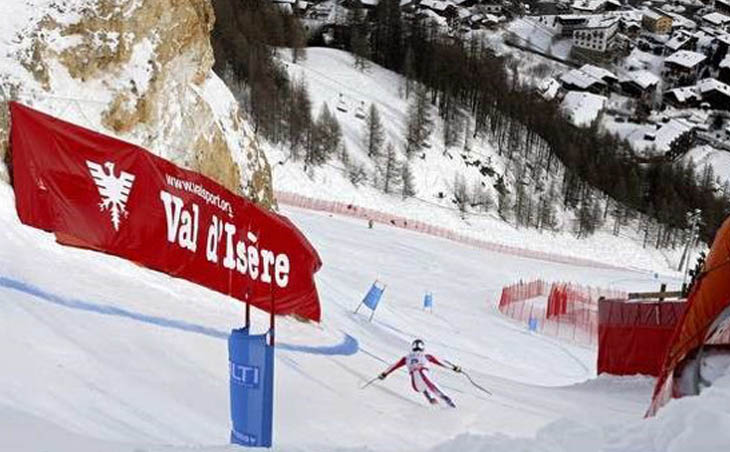
A ski holiday is one of the most rewarding winter adventures you can have, but it can also add up quickly if you are not careful. Lift passes, equipment, accommodation, and après-ski can stretch even the most flexible budget. The good news is that with a bit of planning and smart choices, you can enjoy the mountains without draining your savings. Here are some practical tips to help you save money on your next ski trip at catered chalet val d isere.
1. Choose Your Resort Wisely
Big-name resorts like Val d’Isère, Courchevel, or Verbier are fantastic but come with premium prices. If you are open to exploring smaller or lesser-known resorts, you will often find better deals on lift passes, accommodation, and food. Countries like Austria, Italy, and Eastern European destinations such as Bulgaria or Slovenia can offer great value with excellent skiing and fewer crowds.
2. Book Early or Last-Minute
Ski holidays reward both early birds and opportunists. Booking early often gives you access to early bird discounts on lift passes, flights, and accommodation. If you have flexibility, waiting for last-minute deals can also pay off, especially if snow conditions are good and operators are trying to fill empty beds.
3. Avoid Peak Weeks
Christmas, New Year, and February half-term are the most expensive times to hit the slopes. If you can, travel outside school holidays or peak weeks to save a significant amount. January and mid-March often offer the best balance of good snow, quieter slopes, and lower prices.
4. Consider Self-Catered or Catered Options Carefully
Accommodation is a big part of your ski budget. Self-catered apartments can save money if you are happy to cook, but luxury catered chalets can be surprisingly good value when you add up what you would spend eating out every night. Look for packages that include food, wine, and airport transfers to cut down on unexpected costs.
5. Bring Your Own Snacks and Lunch
Mountain restaurants are known for breathtaking views but also steep prices. Packing a sandwich or snacks for the slopes can save you a lot over the week. A quick picnic in the sunshine is sometimes better than battling for a table at peak lunch hours.
6. Rent Equipment in Advance
Booking ski or snowboard hire online before you arrive is nearly always cheaper than renting in resort at the last minute. Many rental shops offer early booking discounts or group deals. If you ski regularly, it might even be worth investing in your own gear to avoid rental fees altogether.
7. Look for Group Discounts
Skiing is always more fun with friends and family, and booking as a group can open up extra savings. Many chalets and hotels offer discounts for larger bookings, and you can often negotiate group deals on ski hire, lift passes, or lessons.
8. Travel Smart
Flights to major resorts can get expensive, especially with bulky ski luggage. Consider driving if you are within range or look at taking the train. Many European resorts are well connected by rail, and train travel can save you money on baggage fees while being more comfortable than a cramped budget flight.
9. Buy Lift Passes in Advance
Lift passes are a major cost, so take advantage of early bird or online discounts where available. Some resorts offer multi-day or family passes that can save a lot compared to buying daily tickets on the spot.
10. Keep an Eye on Hidden Costs
It is easy to overlook small expenses like equipment insurance, lessons, or overpriced drinks at the bar. Plan for these extras in advance and set yourself a daily budget for après-ski or souvenirs so you do not overspend.
A Memorable Ski Trip Does Not Have to Break the Bank
Saving money on your ski holiday does not mean sacrificing fun or comfort. With careful planning and a few smart swaps, you can stretch your budget further and enjoy more time on the slopes. Start planning early, stay flexible, and spend your savings where they count the most — making memories in the mountains.