
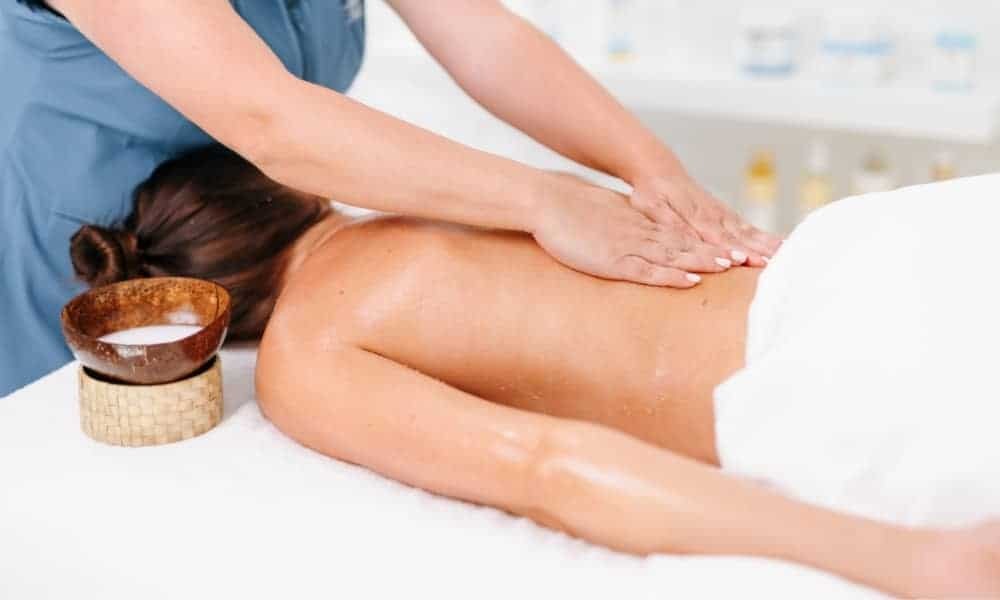
A good travel day often includes an hour that feels deliberately unhurried. For travel and local-experience readers, holistic massage therapy is easiest to evaluate through downtime, convenience, and a slower local itinerary. In this piece, the practical lens is using a spa visit as a reset between obligations, so the service needs to make sense before it needs to sound novel. The common problem is not a lack of options; it is knowing which option fits the day without adding pressure.
Decide what kind of quiet you actually want
Holistic Massage Therapy should be chosen for a specific reason: a quieter afternoon, a recovery-minded stop, a skin-care support visit, or a simple pause between obligations. For this angle, that reason is using a spa visit as a reset between obligations, so the booking should support a weekend plan that leaves room for errands rather than become another task. The more specific the reason, the easier it is to avoid booking a service that sounds impressive but does not fit the person using it.
For readers comparing options, the useful question is not whether holistic massage therapy is trendy. It is whether the setting, duration, and preparation notes are clear enough to make the visit feel manageable. A simple prompt helps: Does the service description answer the practical questions first? For anyone focused on using a spa visit as a reset between obligations, that practical lens is especially helpful in a local market where several wellness services can sound similar at first glance.
What the service should help you decide
One local reference point is healing holistic massage options, which gives readers a service-specific page to compare against their own priorities. Use it as a planning example: look for the service description, the kind of appointment being offered, and whether the tone matches the kind of visit you want.
The same approach works whether the reader is planning a solo reset, a shared wellness day, or a stop connected to travel, beauty, or event preparation. In this case, the publisher fit is downtime, convenience, and a slower local itinerary, and the planning lens is using a spa visit as a reset between obligations, so the article should make comparison easier. A good fit should reduce friction. It should not require someone to accept vague promises or guess what the appointment involves.
Decision points worth writing down
- Name the outcome: relaxation, quiet time, skin-care support, heat, float, or a broader spa day.
- Read the service page for plain-language details before comparing prices.
- Match the appointment to the reader’s energy level and tolerance for heat, touch, salt rooms, or enclosed spaces.
- Build in arrival and transition time, especially when the visit is part of travel or event preparation.
- Choose a provider that makes the next step clear without turning the article into a hard sales pitch.
Choose the option you can actually enjoy
The phrase holistic massage therapy can describe a useful service, but it should not carry the whole decision. People get more value when they know what they are comparing: atmosphere, pace, preparation, privacy, and how the service fits the rest of the day. For readers focused on using a spa visit as a reset between obligations, that means favoring clarity over a longer list of options.
Hands-on relaxation support that should be matched to comfort level and goals. That is enough reason to consider it, provided the reader treats the visit as one piece of a broader wellness routine rather than as a cure-all. For a weekend plan that leaves room for errands, especially when using a spa visit as a reset between obligations is the goal, that measured approach produces a better choice than volume-based browsing.
The useful next step is simple: compare the service description, the timing, and the comfort signals, then book only when the appointment fits a weekend plan that leaves room for errands and the purpose is using a spa visit as a reset between obligations.