
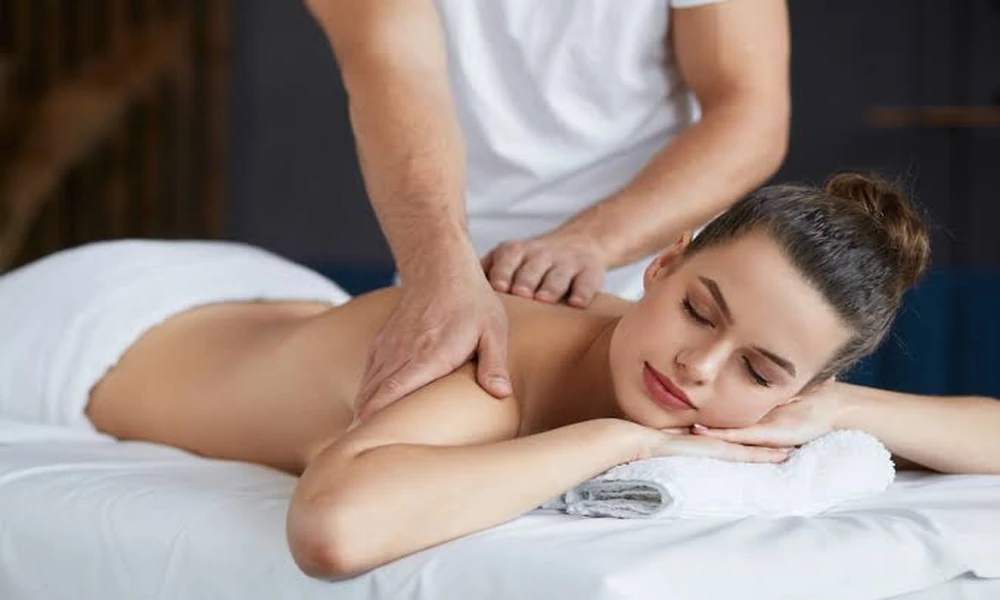
A spa appointment can be an appealing part of a visit to Kitchener-Waterloo, but a gap between hotel checkout and the next room creates a separate luggage problem. Booking a service does not automatically provide suitcase storage, an afternoon lounge or somewhere to wait indefinitely. Establish who will hold the bags, when they can be collected and which essentials must stay with the traveller before fitting an appointment into that gap.
An empty afternoon can still have occupied hands
The calendar may show several free hours while the traveller is carrying everything brought on the trip. That changes the practical choices. A suitcase, laptop bag and coat need a destination even when the person holding them has found an enjoyable activity. Treat that as its own reservation problem. The spa appointment and the custody of belongings should each have an answer before either is relied on.
Start with the accommodation already booked. Ask whether luggage can be held before check-in or after checkout, which hours apply, and how collection works. If the answer is yes, confirm whether access to the bag during the day is possible. Storage may be convenient for a suitcase that will remain closed, but less useful if the traveller needs to retrieve clothing shortly before the appointment.
Do not turn a possibility into a plan without receiving an answer. “Hotels usually do that” is not a confirmation from this hotel. The same applies to an early room, a late checkout or help with transport. A traveller can choose among arrangements once they are known, but should avoid constructing a prepaid afternoon around favours that nobody has agreed to provide.
If the luggage stays somewhere away from the next accommodation, include the return to collect it in the trip. That detour can matter more than the journey between the spa and the next hotel. A storage option that looks convenient on a map may be awkward when collection hours and the evening arrival are considered together. Compare the complete sequence before deciding where the bag belongs.
Ask the luggage question separately from the treatment question
When contacting the spa, describe the item if there is any chance it will accompany the guest. A small handbag and a large rolling suitcase create different practical needs. Ask whether the item can be brought onsite and where it would remain during the booked service. Do not infer suitcase capacity from a mention of lockers or private changing areas; those descriptions may refer to ordinary appointment belongings.
Clarify the boundaries of the visit as well. The booking may cover a particular service and its normal arrival and departure process. It may not include arriving several hours early, using facilities between unrelated plans, or leaving luggage after the guest has gone elsewhere. Ask about the actual arrangement required. A clear refusal is useful information when it arrives while other options remain open.
A companion does not automatically solve the issue. Someone holding the bags during the appointment needs a place they want to be and a realistic understanding of the time involved. They should not discover on arrival that they are expected to wait with two suitcases for the whole afternoon. Agree on that role in advance, including what happens if the two travellers need to separate.
Keep the responsibility for arranging storage with the traveller. Reception staff can explain their facility’s options, but they cannot confirm another business’s rules or guarantee that a nearby venue will accept the bags. If a suggestion is offered, contact that venue directly. The useful result is a confirmed arrangement, not a chain of friendly assumptions passed from one desk to another.
Pack from the bag you can reach
Once storage is settled, decide what should remain accessible. The appointment confirmation, a means of payment and the personal items requested by the facility belong in the small bag travelling with the guest. Leave unnecessary travel objects with the stored suitcase when that arrangement is suitable. The aim is not to create a universal spa packing list; it is to prevent an essential item being locked away at the wrong address.
The service itself determines which questions to ask. The spa package descriptions for Kitchener-Waterloo visitors at Azure Aqua Spa outline combinations of services. Use the proposed components to ask about changing, showering and any personal items needed. A package involving water may create different practical needs from the traveller’s imagined dry appointment. Confirm the exact preparation for the booking rather than packing from the category name alone.
Think about the next use of the small bag too. If it contains work equipment, ask how ordinary belongings are handled during the appointment without assuming a special security service is provided. If formal clothing is needed later, decide whether it must remain accessible or can be collected from storage afterward. These are travel choices to resolve around the facility’s actual arrangements.
Keep important documents where the traveller can retrieve them when needed, within whatever secure arrangement they normally use. Do not spread essential items across several people’s bags merely to make one suitcase lighter. That can become inconvenient when plans separate. A simple ownership rule helps: each traveller knows where their own essentials are and who must be present to access the rest.
Keep the next address independent of the spa
A delayed room should not automatically extend the spa visit. Confirm the next accommodation’s check-in arrangements and have a workable place to go if the room is not ready. Likewise, a cancelled appointment should not leave the suitcase without a custodian. Keeping those arrangements independent makes the afternoon more adaptable when one part changes.
Before leaving the first accommodation, check that collection details and the next address are accessible without searching through a long conversation. Give a companion the relevant information if they are responsible for part of the journey. There is no need for an elaborate itinerary, but nobody should be guessing which desk holds the suitcase while the other person is unavailable during a service.
With the bags accounted for, the appointment can occupy its ordinary place in the trip. It no longer has to provide storage, shelter and a waiting room in addition to the purchased service. That is the useful distinction for a traveller between rooms: give the suitcase its own destination, then choose the afternoon because it is an afternoon worth having.